
4 Gardening Habits that Make Allergies Worse
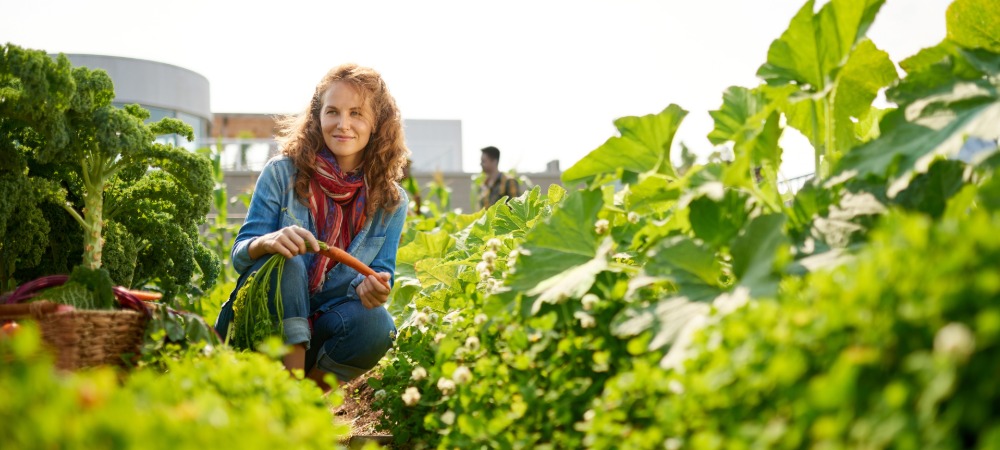
Gardening is a great way to enjoy the outdoors, but a few common habits can make allergy symptoms worse. From gardening at the wrong time of day to bringing pollen into your home, these simple mistakes can increase your exposure without you realizing it.
Time of Day
When you choose to do your gardening can make a big impact on the level of your symptoms. Research tells us that weeds and trees release the most pollen from morning to midday, with lower levels from the afternoon to evening.
Grass can be tricky since its pollen can be more easily moved – walking, mowing, wind – can all stir up pollen. But, some research shows higher levels of pollen from grass in the early evening.
Knowing what you’re allergic to, and what times of day to avoid direct contact with your allergens, can help reduce symptoms while gardening.
Not Wearing Gloves
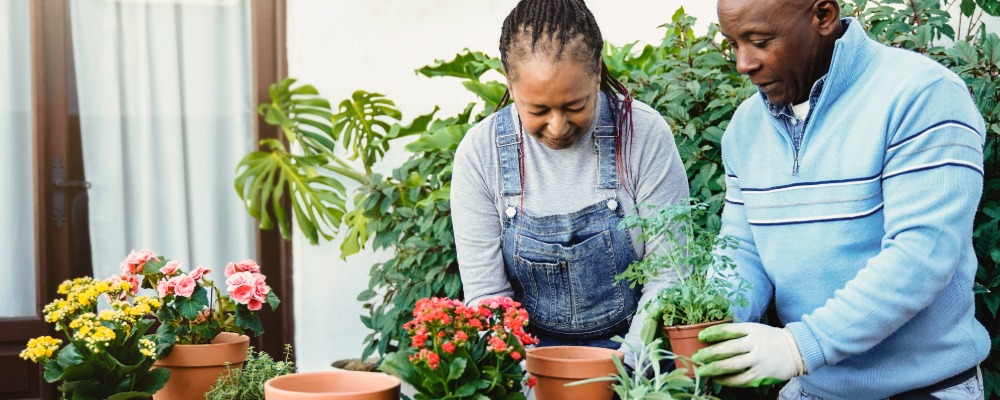
Wearing gloves is another way to protect yourself from extra allergen exposure while working in the garden. Gloves act as an extra barrier while you’re directly touching and disturbing plants that may have pollen on them.
Those highly affected by allergies may also consider wearing a mask, wearing long sleeves and pants, or other barriers so that direct contact with plants can be avoided, and extra symptoms, including skin irritation, are reduced.
Eating Produce Straight from the Garden
While eating your produce straight from the garden is a fun reward for all your hard work, it can make allergy symptoms worse for some due to Oral Allergy Syndrome. The proteins on the surface of some raw fruits and veggies are similar to those of pollen – so when eaten fresh, the body can interpret it as harmful.
The reactions are local to the mouth and throat, causing itching and irritation, congestion, and gastrointestinal upset. Reactions can be lessened when the produce is cooked, and those proteins are altered. Here is a list of which foods cause symptoms for certain allergens.
Wearing Gardening Clothes Indoors
Heading into the house directly after gardening can carry the allergens you just collected into your home, which is supposed to be a pollen allergy safe space. It’s best to change your clothes immediately when you get inside, so that you don’t carry pollen into your living spaces.
Treating the Cause
Of course, you can avoid allergy symptoms by taking antihistamines and following these tips, but these aren’t ideal and can cause unwanted side-effects and health risks.
The only way to treat the allergies themselves is through immunotherapy, and Allergychoices recommends allergy drop immunotherapy. It introduces the body to tiny amounts of allergens you are allergic to – determined by testing, history, and exam. Over time, the allergens are slowly and safely increased, so the body learns to tolerate more and more of the things that make you sick.
Many find that their symptoms are reduced, or even eliminated, after successful treatment. If you’re ready to garden in peace, without the sniffling and sneezing, find a provider near you that offers allergy testing and allergy drops.