
Why Does My Nose Run When I Step Outside in the Cold?
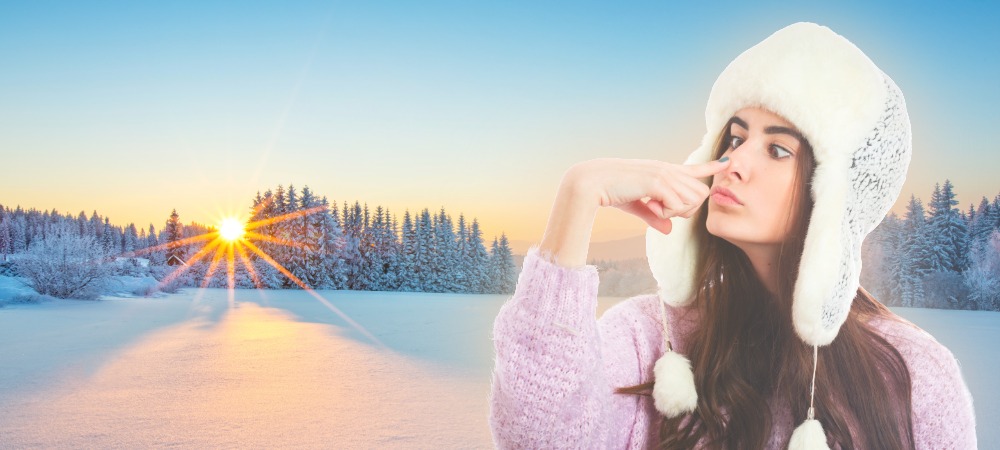
Winter sniffles don’t always mean you’re sick, or that you have allergies. Cold air, dry indoor heat, holiday triggers, and indoor allergens can all leave you reaching for a tissue this time of year. Let’s break down some of the most common “runny nose” triggers during the wintertime.
Cold Air
Believe it or not, the cold air of winter alone can cause your nose to run. It’s sometimes called cold induced rhinorrhea – or “skiers nose” – and has a simple explanation. When you inhale, the noses job is to warm and humidify air before it gets to your lungs. During the winter months, the cold air can irritate the nasal passages and cause mucus that’s typically clear and resolves once you walk indoors.
Non-Allergic Rhinitis

There are a slew of other non-allergy reasons you may experience a runny nose or cold-like symptoms in the winter, especially after spending time outdoors. Here are some common irritants
in the winter months:
- Smoke from winter fire
- Spending time in a dry home
- Holiday fragrances
Even the switch from being outdoors to indoors, or vice versa, can be enough to trigger annoying symptoms.
Allergic Rhinitis
Allergies can make you miserable, even in the winter months. While outdoor allergens are typically at bay after the first frost, indoor allergies wreak havoc when most of your time is spent indoors. The continual exposure to indoor allergens like pet dander, dust mites, and mold can make more than your nose run – you can expect itching, sore throat, headaches and more from indoor allergens. There are also allergy triggers that pop up specifically around the holidays, like:
- Live trees and wreaths can bring mold into the home
- Decorations may be filled with dust mites after a year tucked away
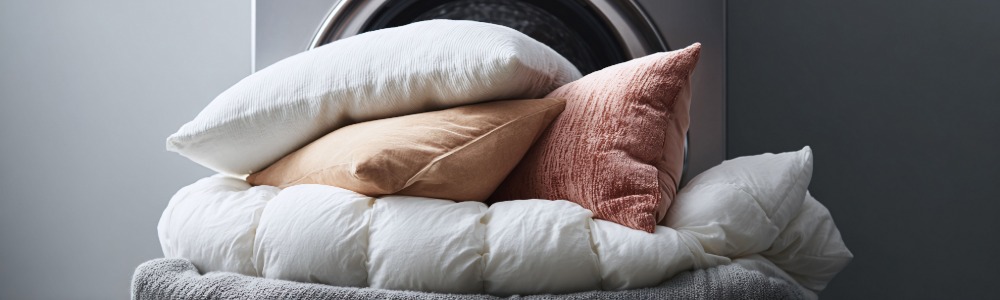
- Winter bedding and clothing may have accumulated dust mites, too
A deep clean and washing linens in hot water can help reduce, but not eliminate, those symptoms.
Finding Relief
There’s not much you can do to control the weather and the non-allergic components that come with winter sniffles. Try to determine your triggers and take precautions to feel your best. But if
allergy seems to be to blame, consider finding a provider who offers allergy drop treatment through Allergychoices. It’s custom to each patient and helps treat all allergies so you feel your best year round.