


For Patients

Mold Allergy Treatment

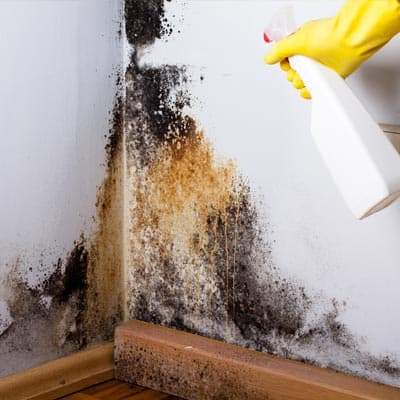
Mold allergy treatment should first begin with reducing mold exposure by removing mold sources, decreasing humidity and increasing ventilation.

Mold can be found in many places like musty attics or basements, and outdoors in wooded areas or shady back yards. Molds grow in wet or humid indoor and outdoor conditions, and are a hazard in flooded areas. Need help finding the molds that trigger your allergies?

While mold exposure is universal, symptoms depend on your sensitivity to mold, your exposure to mold, and whether you may be sensitive to other allergens.

Symptoms

Mold allergy symptoms include

The conditions that promote mold growth also increase the prevalence of allergens such as ragweed and dust mite.

Treating the cause

Can allergy drops help mold allergy?

Mold allergy treatment should begin with reducing exposure by removing mold sources, decreasing the humidity in your home and increasing ventilation.

Sublingual immunotherapy for mold allergy is used to reduce allergic sensitivity so that over the course of treatment, you can safely increase tolerance to mold and reduce allergic reactions.

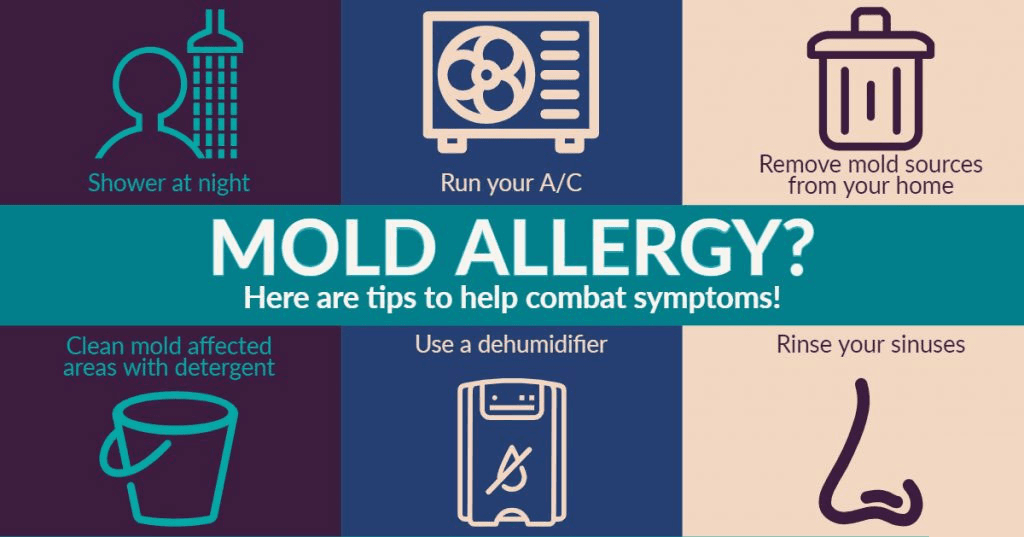
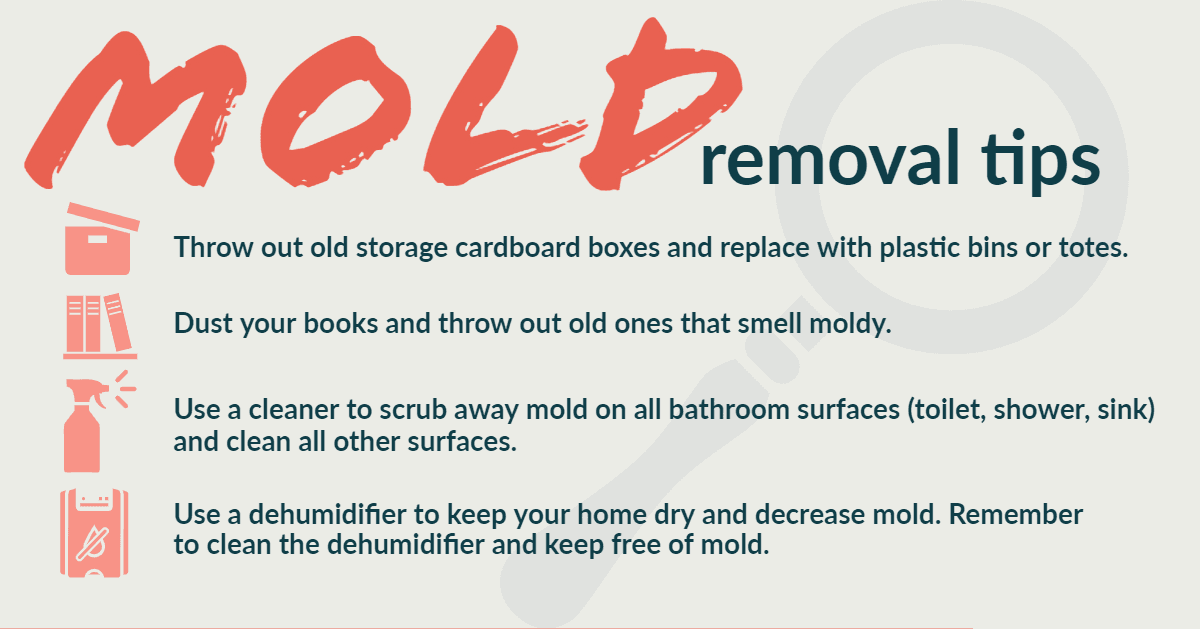
Reduce your exposure

Try these tips for helping to combat mold allergy exposure

Want to find a provider near you who offers custom sublingual immunotherapy?

Related articles

All articles →

3 minutes

September – The Sneeziest Month of the Year?

Allergies don’t just end once summer wraps up. Fall brings a new wave of allergy triggers, from peak ragweed pollen to indoor allergens and back-to-school germs. Here’s what to watch for, and how to find relief. Ragweed Ragweed is a brutal environmental allergen, and it peaks in most of the U.S. in September. It’s a…


3 minutes

When Does Pollen Season End?

For many allergy sufferers, the changing seasons don’t bring relief – they simply bring a new type of pollen. Trees, grasses, and weeds all release pollen at different times of the year, meaning allergy symptoms can linger for months. Understanding when pollen is highest in your area can help you…

3 minutes

Summer Sinusitis: Why Your Congestion Won’t Go Away

If your sinus infections seem to show up every summer, allergies may be playing a bigger role than you think. During the summer months, trees, grasses, and weeds release pollen into the air, and continuous exposure can keep the sinuses irritated for weeks at a time. That ongoing inflammation can make congestion, headaches, and facial…

3 minutes

Why Storms Trigger Allergy Attacks

Stormy weather can have an unexpected effect on allergy symptoms. While rain can temporarily reduce pollen in the air, storms also bring strong winds, increased humidity, and mold growth – and all can trigger allergy and asthma symptoms. Wind and Rain The first signs of a big storm are always wind and rain. Wind moves…

3 minutes

What Climate Change Means for Allergies

Climate change is creating the perfect conditions for allergies to thrive. The extended lengths of warm weather, increased and severe rain, more carbon monoxide – it’s all good for the plants that cause allergy symptoms. They thrive in those conditions, and release even more pollen, for even longer lengths of time. Here’s what’s happening, and…

3 minutes

Simple Winter Allergy Cleaning Checklist

As you take down the holiday decor and prep for the new year, it’s the perfect time to do a little cleaning that will benefit your allergies. By focusing on dust-filled living spaces and moisture-loving bathrooms, you can reduce your allergy symptoms from the inside out. Living Rooms Dust mites, mold, and pet dander like…

Next step

Ready to treat the cause of your allergies?

Find a provider who offers personalized sublingual immunotherapy.