
What is Postnasal Drip?
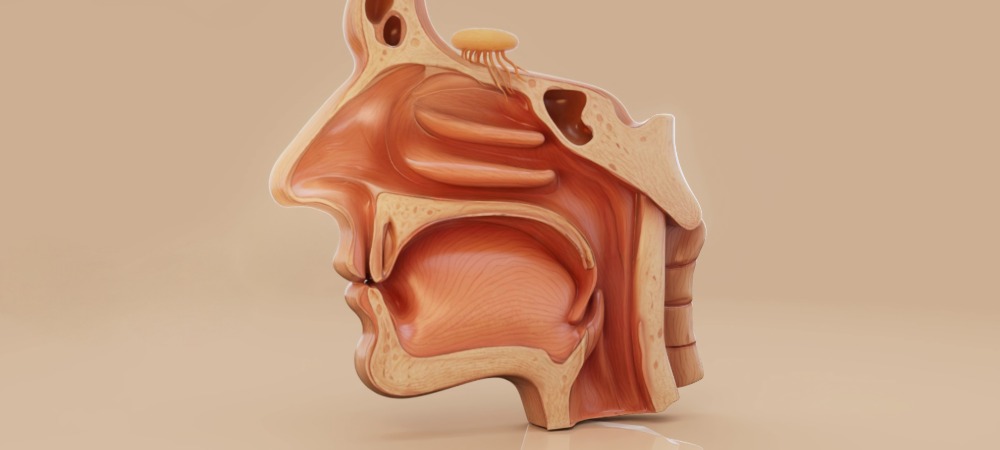
That persistent need to clear your throat, or the sensation of mucus in the back of your throat, isn’t random. It’s usually the result of inflammation in the nasal passages and is often triggered by allergies. Here’s what you can do to reduce its’ stubborn symptoms.
What is Postnasal Drip?
If you have allergies, you likely have experienced the annoying symptoms of postnasal drip. When the nose and sinuses become filled with mucus, it can drain down the back of the throat instead of out of the nose.
That “drip” down the throat can make you clear your throat, cause throat irritation, and create symptoms typical with a cold or allergies, like facial pressure, stuffiness, and coughing.
Postnasal drip is common with conditions like the common cold, sinusitis, covid, or allergies – any virus or infection where there’s increased mucus production.
Why Does it Happen with Allergies?
Postnasal drip is very common with seasonal allergies. When you breathe in an allergen – like pollen, mold spores, or another irritant – the body can interpret it as harmful and respond by releasing histamine. That leads to all the typical allergy symptoms, including inflammation of the nasal passages and an increase in mucus.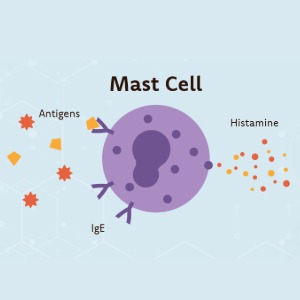
Those two together can cause the prefect storm for post-nasal drip. The extra amount of mucus and the smaller passageway for it to come out of the nose can lead it down the back of the throat.
There are no serious complications of postnasal drip, other than the annoyance of near-constant throat clearing, especially at night. It can keep you up at night coughing and impact your sleep.
With less space for mucus to move, it can also linger in the sinuses and lead to sinusitis, which is also commonly linked to allergy.
How to Best Prevent It?
 The only way to reduce postnasal drip is to reduce instances of illness. For those with allergies, this means digging into what causes your symptoms and finding a treatment option that works for you.
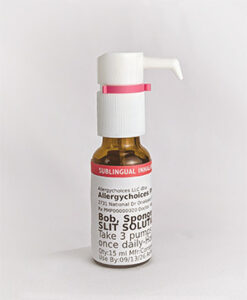
Allergychoices recommends allergy testing, exam, and thorough history with an allergy clinician. They will identify exactly what causes your symptoms and may recommend allergy drop treatment to treat the root cause.
Allergy drops contain tiny amounts of the allergens identified from testing, individually tailored to each patients specific level of sensitivity. Over time, the amount of allergens is safely increased so that the body learns to tolerate more of it.
When exposed naturally, the body won’t react with symptoms, and cases of postnasal drip can be reduced. Find a provider near you that offers allergy testing and treatment to get on track to feeling better.