
Environmental Allergies
Why Storms Trigger Allergy Attacks
By Alyssa Krokstrom3 minutes
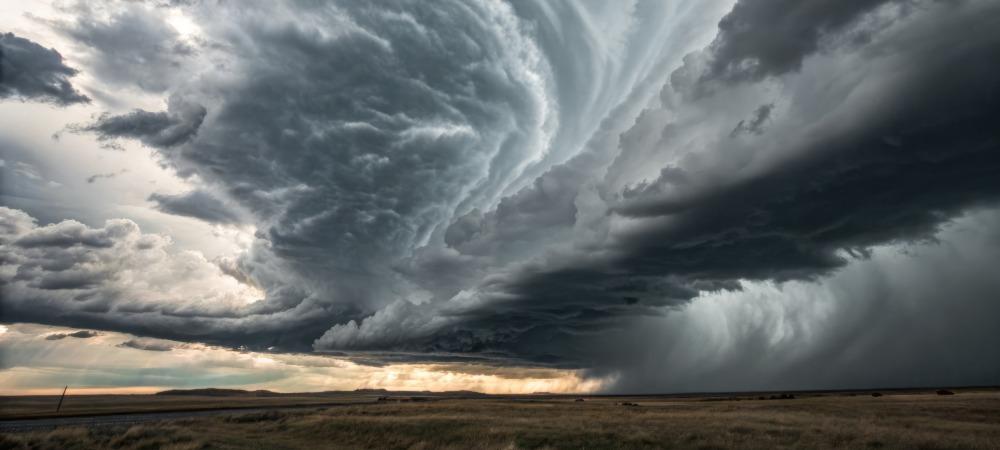
Stormy weather can have an unexpected effect on allergy symptoms. While rain can temporarily reduce pollen in the air, storms also bring strong winds, increased humidity, and mold growth – and all can trigger allergy and asthma symptoms.
Wind and Rain
The first signs of a big storm are always wind and rain. Wind moves the pollen in the environment around, and it can move far. With enough wind, pollen can move hundreds of miles – so a big storm can stir up not only what’s directly in your environment, but from cities nearby, too.
Many people think that rain dampens allergy symptoms, which is sometimes the case. It can make pollen stick to the ground and stop circulating, but it can also break the pollen clumps into smaller pieces.

Humidity
Before and after a storm, you’re often left with lingering humidity – the extra water vapor that is in the air. Studies show that high humidity can impact the eyes, nose, and lungs, and this can lead to more inflammation and congestion.
This, mixed with typical allergy symptoms, can be problematic for those with allergic asthma.
Mold
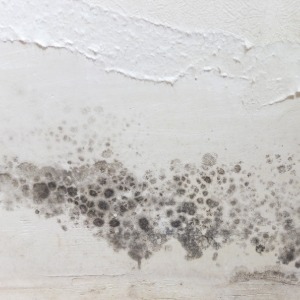 Once the storm wraps up and water finds a place to settle, the extra dampness can be a breeding ground for mold. Dark, damp places like piles of leaves, dirt, compost piles, and other areas can grow new mold, and then those mold spores disperse through the air.
Adding mold into an already loaded immune system can make symptoms of allergic rhinitis and allergic asthma even worse. After extended exposure, other conditions like sinusitis, headaches, and eczema can surface, too.
Treating the Cause
We can’t change the weather, but you can prepare for storms – and all that summer allergies bring – by treating the cause of allergy. Immunotherapy is the only treatment that treats the root cause of allergy, and Allergychoices recommends allergy drop immunotherapy because it’s safe, easy, and effective.
Allergy drops are custom to each patient based on testing, exam and history, and contain tiny amounts of the allergens you’re determined to be allergic to. The allergens are enough to help build tolerance, but not enough to cause reactions.
Over time, the amount of allergens is slowly increased, so that the body learns to handle more of the allergens you’re allergic to. That way, when exposed after a storm or throughout the year, the body doesn’t respond with symptoms. Many people have reduced or eliminated symptoms.
Find a provider near you that offers testing and treatment to start feeling better soon.