
Environmental Allergies
Kick Dust Mite Allergy to the Curb this Winter
By Kaley Jacobson3 minutes
As soon as the weather cools off and activities shift indoors, dust mites smile. Okay, maybe they don’t smile, but they start to populate. It’s their favorite time! As clean as you think you may be, they’re everywhere.
Dust Mite Facts
Dust mites are eight legged, microscopic creatures. They live in warm areas with high humidity, and they look for places with human hair and animal skin cells, their source of food. Wherever you’re living, they’re also living there for 20-70 days.
So what’s the danger? They don’t bite or attack, but their dead bodies and feces can be inhaled and cause issues for those who are allergic. Breathing in these particles can cause:
- Sneezing
- Runny nose
- Itchy and watery eyes
- Congestion
- Itchy nose and throat
- Post nasal drip
- Cough
- Pressure in the face and sinuses
Dust mites can be one of the most common allergens in the winter that people don’t think about – instead they blame symptoms on colds, sinus infections and other “bugs.” People start seeing symptoms creep up as soon as windows close and the furnace goes on, and they can last all winter long. The difference is that viruses and other bugs only last a week; it’s allergies that tend to last.

How Can You Avoid Dust Mite Allergy Symptoms?
We think getting to the bottom of your allergy is the best way to avoid symptoms. Sublingual immunotherapy, or allergy drops, treats the root cause of allergy by slowly increasing the allergen into your system until tolerance is built. In the meantime, taking antihistamines and using nasal rinses or sprays can help ease pesky symptoms.
Tips to Control Dust Mites
Even for those on allergy treatment, it’s important to clean up and control dust mites at home.
Taking care of your bedroom is one of the most important steps.
- Get rid of organic materials, like feather pillows, wool and silk bedding, and animal skins because dust mites love to hang out there.
- Wash all of your bedding, from blankets to pillow cases, every two weeks in hot water.
- It’s also a good idea to have an allergen barrier cover over your mattress.
- Try to keep clothing in a closed closet or in a drawer to reduce places for dust mites to live.
There are a bunch of tips for keeping your entire home free of dust mites. Follow as many of them as possible to keep dust mite levels under control this winter.
- Keep household humidity between 30% and 50%
- If possible, replace carpet with tile, vinyl, cement or wood
- Vacuum carpets with HEPA filters
- Use an exhaust fan in bathrooms to keep moisture down
- Keep pets and their beds washed
- Use mite killers – spray or powder – on infested materials
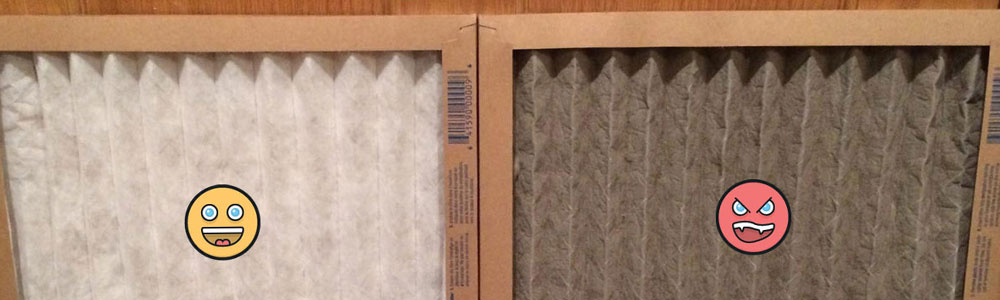
Another big step that people often forget is changing your furnace filter. Change your furnace filter every 1-3 months to avoid even more symptoms!
Make a cold winter less miserable! Our suggestion is clean thoroughly, control symptoms if needed, and consider working towards altering the allergic disease with sublingual immunotherapy.
By Taylor Pasell, Allergychoices