
Environmental Allergies
When Does Pollen Season End?
By Alyssa Krokstrom3 minutes

When Does Pollen Season End?
For many allergy sufferers, the changing seasons don’t bring relief – they simply bring a new type of pollen. Trees, grasses, and weeds all release pollen at different times of the year, meaning allergy symptoms can linger for months. Understanding when pollen is highest in your area can help you better manage symptoms and find lasting relief.
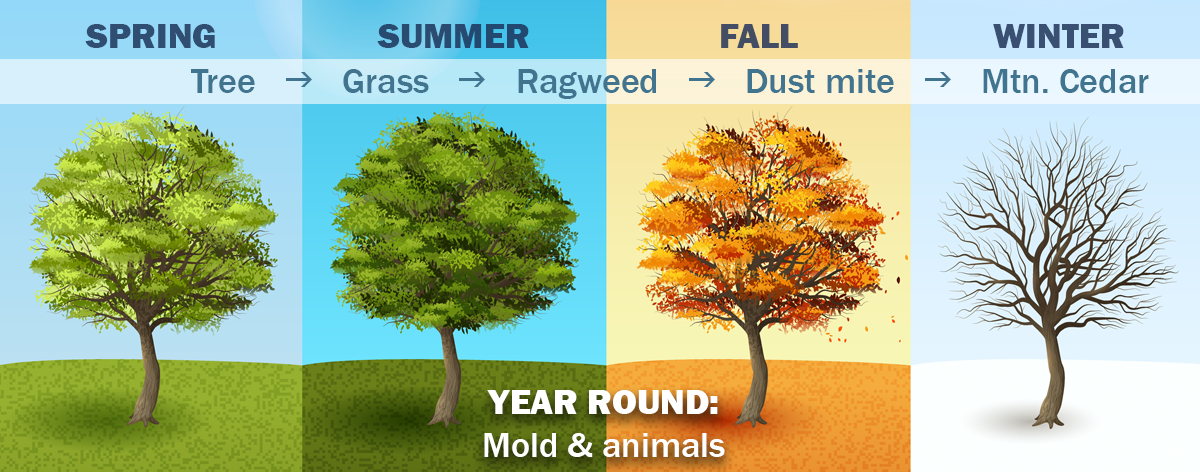
Different pollen, different seasons
One irritating fact about pollen is that it comes in waves from so many different plants in our environment. While winter can bring relief for symptoms in some areas, those in the south may continue to feel symptoms while their grasses and weeds continue to grow.
This Pollen Allergy Seasons map allows you to click your state and see when specific allergens release pollen in your area.
Why pollen causes symptoms
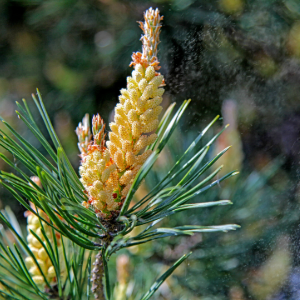 Pollen itself is seemingly harmless. It’s a powder-like substance released by plants to fertilize other plants like weeds, grass, and trees. It’s tiny and lightweight, so a simple breeze can pick it up and send it through the air.
When breathed in, some bodies ignore it like other irritants. But some interpret it as harmful, and the immune system reacts by releasing histamine. Histamine is a natural chemical in the body that is supposed to protect you from allergens, but it causes some annoying symptoms:
- Sneezing
- Coughing
- Congestion and
- Itchy eyes, throat and ears
You can avoid pollen by wearing a mask outdoors, keeping windows closed and AC on, changing clothes before going inside, taking antihistamines, and other life-long modifications, but it’s difficult to truly avoid exposure.
Why are my allergies still bad after pollen season?
If weeds, trees or grass are out of season and you’re still feeling sick, you may have other allergens to worry about. Other substances like mold, dust mites and pet dander that thrive indoors can cause symptoms year-round and provide very little relief.
Year-round exposure to allergens can keep your immune system on high alert, with constant inflammation and added complications like sinusitis, ear infections, allergic asthma, and a myriad of other allergy-related conditions.
Treating the cause of the underlying allergy with immunotherapy is the best option for tackling all the allergic issues in one swoop. Allergy drops contain tiny amounts of the allergens you’re allergic to – a dose small enough to help build tolerance, but not too high to cause reactions. Over time, the amount is slowly and safely increased so the body learns to tolerate even more.
After successful treatment, many patients experience reduced or eliminated symptoms from their environmental allergies. If you’re ready to conquer pollen season, instead of it conquering you, find a provider near you.