
Allergic Conditions
How Long Does It Take for Allergy Drops to Work?
By Kaley Jacobson2 minutes
Have you ever wondered how long it takes for allergy drops to work? The short answer is that many patients report feeling better within a few months of treatment, but this timeline can depend on the patient, the severity of the allergies, and how consistent patients are with taking their allergy drops.
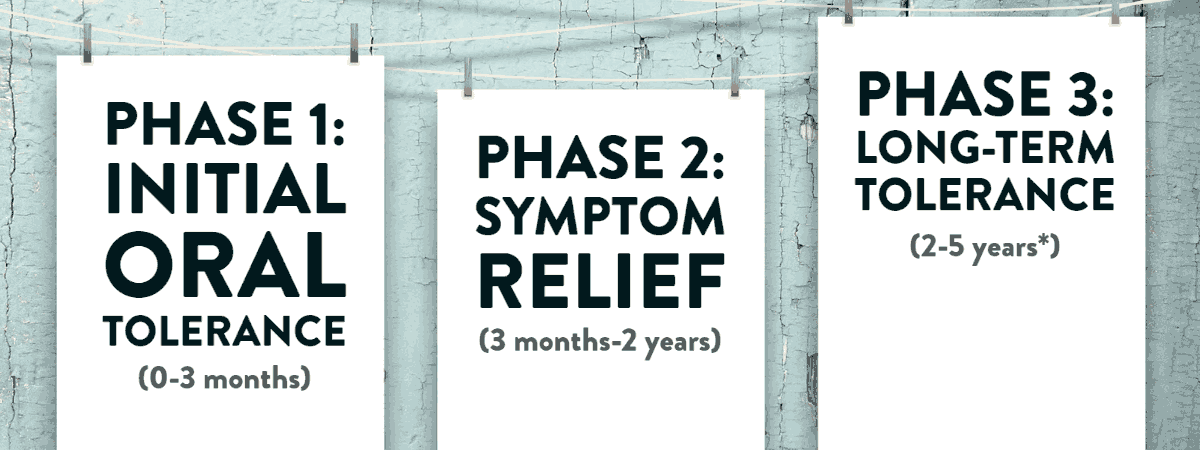
The long version is that allergy drop treatment works in three phases as the body builds tolerance to the identified problem allergens.
Phase 1
Within the first three months of treatment, patients build an initial oral tolerance. The body begins to adjust to treatment so any oral itching can decrease. Some patients may begin to feel better.
Phase 2
From month three to two years of treatment, symptoms begin to improve while the body builds initial tolerance to offending allergens.
Phase 3
Phase three of treatment is when the body learns to maintain tolerance long term and is key to staying symptom-free long after patients stop treatment. Providers will continue to monitor, retest your allergies, and adjust treatment as needed to determine your final treatment length.

Though patients may start to feel better shortly after starting treatment, to get the long-lasting effects of treatment that patients desire, treatment typically takes three to five years — until the provider determines tolerance has been built.
A tip for allergy drop treatment: stay consistent with taking three doses a day to help keep treatment effective and the length of treatment manageable.
Allergychoices advocates for sublingual immunotherapy, or allergy drops, following The La Crosse Method™ Protocol. Using your testing results, providers can create a custom allergy drop prescription that, over time, trains your body to stop reacting to your problem allergens.
If you’re ready to get to the root cause of your allergies, find a provider near you that tests for and treats the cause of allergy with allergy drops.