



For Patients

Dust Mite Allergy

Those with dust mite allergy can treat the cause of the allergy with sublingual immunotherapy, which helps to build allergic tolerance to the allergen.

Some environmental allergies are due to microscopic, creepy, crawling, eight-legged creatures – dust mites. These little bugs live in the more humid areas of the home like the bedroom and living room. They don’t bite, but when their disintegrated bodies and waste are breathed in, many people experience allergic reactions.

Symptoms

Dust mite allergy symptoms

  • Sneezing
  • Runny nose
  • Itchy and watery eyes
  • Post nasal drip

While dust mites thrive year round, allergy symptoms tend to be worse in the fall months once homes are closed for the colder months.

Treating the cause

Can allergy drops help dust mite allergy?

While controlling the amount of dust mites can help symptoms temporarily, there is no way to rid your home of dust mites completely. Instead, those allergic to dust mites can treat the cause of the allergy with sublingual immunotherapy, which helps to build tolerance to the allergen.

Reduce your exposure

Dust mite allergy control tips:

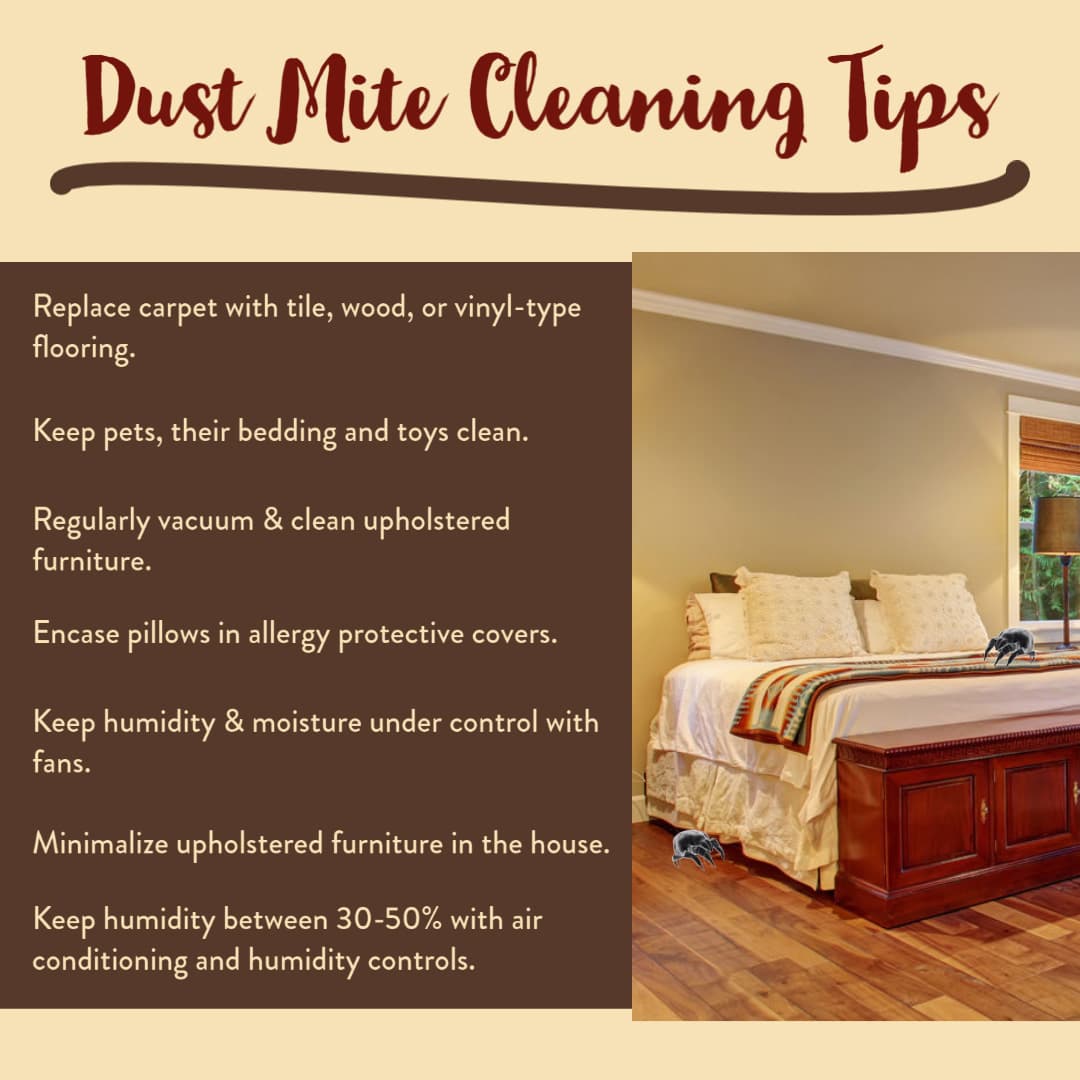
  • Encase pillows, mattress and box springs in plastic covers
  • Wash all pillows, bed sheets, blankets, and bed spreads every two weeks
  • Freeze bedding for several hours in order to kill the mites
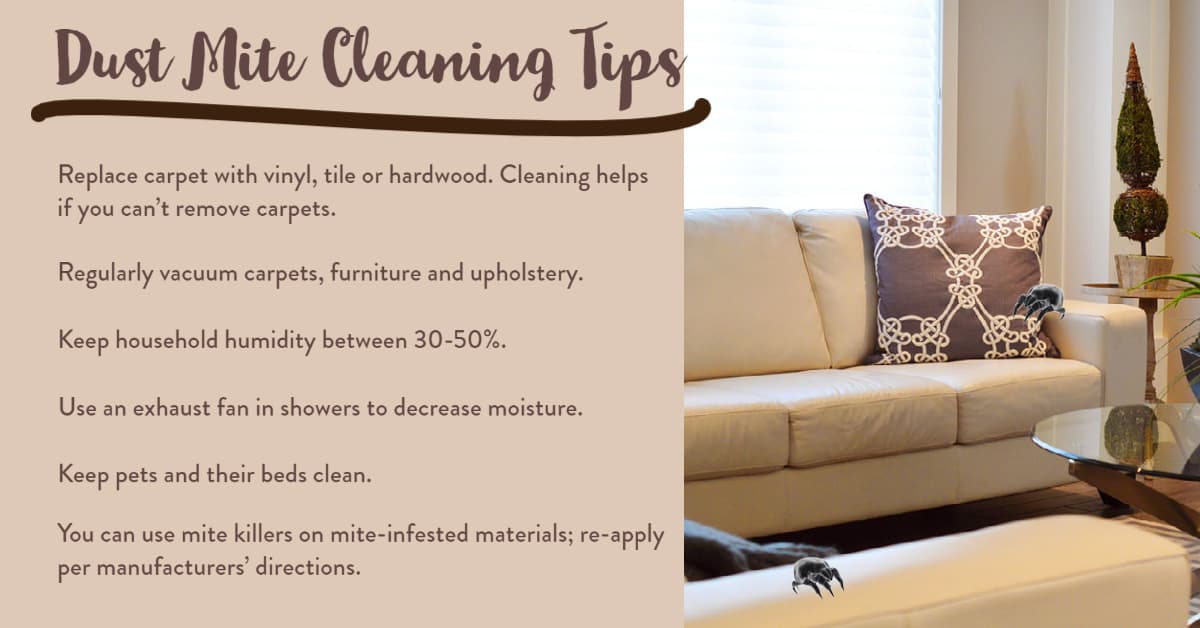
  • Replace carpeted areas with linoleum, hard wood, or tile flooring
  • Vacuum furniture and carpeting regularly
  • Keep household humidity between 30-50%

Want to find a provider near you who offers custom sublingual immunotherapy?

Related articles

All articles →

3 minutes

September – The Sneeziest Month of the Year?

Allergies don’t just end once summer wraps up. Fall brings a new wave of allergy triggers, from peak ragweed pollen to indoor allergens and back-to-school germs. Here’s what to watch for, and how to find relief. Ragweed Ragweed is a brutal environmental allergen, and it peaks in most of the U.S. in September. It’s a…


3 minutes

When Does Pollen Season End?

For many allergy sufferers, the changing seasons don’t bring relief – they simply bring a new type of pollen. Trees, grasses, and weeds all release pollen at different times of the year, meaning allergy symptoms can linger for months. Understanding when pollen is highest in your area can help you…

3 minutes

Simple Winter Allergy Cleaning Checklist

As you take down the holiday decor and prep for the new year, it’s the perfect time to do a little cleaning that will benefit your allergies. By focusing on dust-filled living spaces and moisture-loving bathrooms, you can reduce your allergy symptoms from the inside out. Living Rooms Dust mites, mold, and pet dander like…

3 minutes

Adjusting Your Allergy Regimen While Traveling

The winter months are great for travel, with holiday getaways, warm weather retreats and spring break trips. Leaving your usual environment can bring on new allergens, and the last thing you want is symptoms on your vacation. Here are a few tips for feeling your best while enjoying your travel. New Environment = New Environmental…

3 minutes

Why Are My Allergies Worse in the Winter?

Cooler temps means that plants and trees start to die, and they stop releasing pollen into the air. A lot of people see allergy relief with this shift, but there are also people who feel even worse allergy symptoms once winter hits. What’s the cause? How can they feel better? You Have Indoor Allergies The…

3 minutes

Choosing An Allergy and Asthma-Friendly Overnight Camp

It’s summer camp season! Just because your child has allergies or asthma doesn’t mean they can’t enjoy the magic of camp and the lifelong memories that come with it. This blog gives a few items to consider when choosing a camp – with summer allergies and asthma in mind. Cabins There is nothing like the…

Next step

Ready to treat the cause of your allergies?

Find a provider who offers personalized sublingual immunotherapy.