Nutrition/Wellness
Straw bale gardening: Workplace wellness case study
By Kaley Jacobson3 minutes
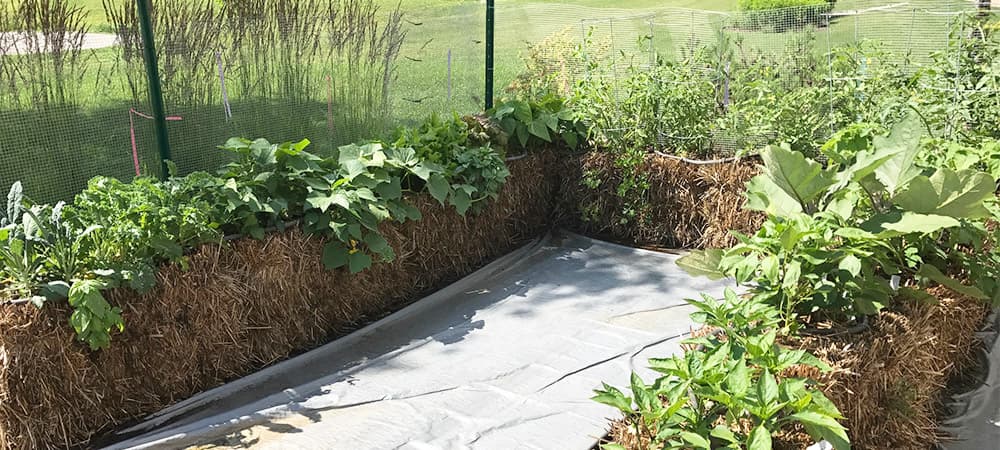
Allergychoices has incorporated several heath initiatives in an effort to empower our employees to take control of their health. There has been a growing interest regarding employers offering creative ways to encourage a healthy lifestyle, as well as a way for people, especially those struggling with food allergies and other dietary restrictions, to take control of their food supply. Staff gained invaluable knowledge through learning opportunities that accomplished both goals coordinated by Allergy Associates of La Crosse’s registered dietitian, Emily Melby.
In conjunction with Allergy Associates, we’ve launched many initiatives including the creation of a straw bale garden, luncheon policy, healthy lunch challenge, and access to additional educational tools about nutrition. Receiving adequate nutrition is essential for good health, so it is important to find ways to engage and motivate employees to get involved in wellness programs provided by organizations.
Why create a straw bale garden?
There was something to gain for everyone involved. “Straw bale gardening is both easy and accessible, and you don’t need a big yard to do it,” says Emily. “It’s also a great way to educate employees about a new way to garden while also introducing new produce.” With little experience straw bale gardening herself, Emily said that this was an opportunity to get her hands dirty and learn through experience. Staff volunteered throughout the process of conditioning bales and watering the garden. This also opened doors for Emily to educate the staff about the benefits of vegetable consumption.
Staff was provided opportunities to take part in food demonstrations with fresh produce from the garden and also tour the garden. The garden fit well with other health initiatives including meal programs and competitions that encourage employees to eat healthier and monitor their eating choices. It was incredibly helpful to offer incentives such as prizes for employees who participated in the challenges.
Organizations can also take proactive steps by implementing educational tools such as bulletin boards with information about a healthy diet, and provide healthier alternatives in break rooms and vending machines. When encouraging a healthy diet, Emily stated that many times the change doesn’t have to be drastic. Changes can be as simple as switching from white to wheat bread or adding a serving of vegetables to your lunch.
We also emphasized the benefits of controlling your food supply through the straw bale garden. This may be especially important for those with allergies. Emily mentioned that, “The importance for allergic patients to control their food supply is dependent on the allergy, but it is important to know where food comes from so people can limit the potential for cross contamination and also eliminate food additives that may cause for adverse reactions.” Emily mentioned that organizations should take the opportunity to share this knowledge stating that, “Knowing which co-workers have allergies and making good choices such as avoiding foods that co-workers have allergies to is important when creating a safe and supportive environment.” Food allergic reactions are broad and can range anywhere from mild to a deadly anaphylactic reaction. Knowing the signs and symptoms of such reactions can be lifesaving, so taking the initiative to communicate this to employees is crucial.
We have continued to promote healthy living and encourage feedback to consistently improve program initiatives. By providing educational tools for a healthy diet and information on food allergies, employees benefit from a healthier lifestyle and a safe and supportive environment for those living with food allergies.
Organizations have the power to make simple yet powerful changes which can lead to a positive impact not only on the individual level, but also benefit your organization as a whole.
For creative ideas to incorporate wellness into your life, visit our Employee Health and Wellness board on Pinterest. And to learn more about how Allergychoices can help your business improve healthcare ROI with disease-modifying treatment options, contact us.