

For Patients

Tree Pollen Allergy Symptoms and Treatment

There are thousands of tree species, but a few seem to cause most allergy symptoms. Treat the cause of your tree allergy with allergy drops!

There are thousands of tree species, but there are several that seem to cause the most allergy symptoms:

  • Alder
  • Ash
  • Beech
  • Birch
  • Cedar
  • Elm
  • Hickory
  • Maple
  • Mountain Cedar
  • Mulberry
  • Oak
  • Poplar
  • Sycamore
  • Walnut
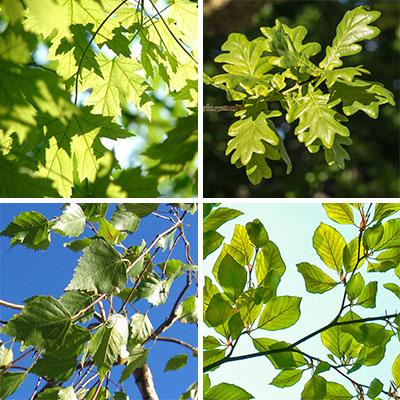
Photo of maple tree leaves, oak leaves, birch leaves.

Tree allergy symptoms

  • Runny nose
  • Itchy, watery, burning eyes
  • Sore throat
  • Sinusitis
  • Coughing
  • Headache

Oral Allergy Syndrome

For those with tree, weed and grass pollen allergies, certain foods may also cause localized reactions – like itchy throat. It’s called Oral Allergy Syndrome. Because the protein structures in foods like fruits and vegetables are similar to those found in tree, grass and weed pollen, they can cause itching and tingling to the mouth and throat. For example, if you’re allergic to birch trees, consuming apple, carrot, celery, peach, potato and more during the pollen season may cause additional symptoms.

Treating the cause

Can allergy drops help tree pollen allergies?

Treating the underlying allergy may help eliminate reactions to whichever trees cause your allergy symptoms and can help with oral allergy syndrome too!

Next step

Want to find a provider near you who offers custom sublingual immunotherapy?

Related articles

All articles →

3 minutes

Natural Ways to Support Allergy Relief

Tired of relying on antihistamines just to get through allergy season? Looking for additional ways to support your body during allergy season?? These treatment options focus on supporting your body from the inside out, helping reduce inflammation, strengthen your immune system, and limit allergen exposure so you can feel better all season long. Vitamins There…


3 minutes

What Climate Change Means for Allergies

Climate change is creating the perfect conditions for allergies to thrive. The extended lengths of warm weather, increased and severe rain, more carbon monoxide – it’s all good for the plants that cause allergy symptoms. They thrive in those conditions, and release even more pollen, for even longer lengths of time. Here’s what’s happening, and…

3 minutes

How to Tell if Your Child’s ‘Cold’ Is Really Allergies

Colds and allergies often share similar symptoms, but they have very different causes – and treatments. Understanding the key differences can help you figure out what your child is dealing with and get them feeling better as quickly as possible. Key Differences There are five factors that can help pinpoint whether your child is dealing…

3 minutes

Cooking to Outsmart Oral Allergy Syndrome

When fruits and veggies are at their freshest, some people start to feel mouth and throat itching and irritation after eating them. It’s due to a health phenomenon related to allergy, called Oral Allergy Syndrome (OAS), that can cause local reactions. Why does fresh produce cause symptoms, but cooked produce does not? Let’s find out.…

4 minutes

Does Your Diet Impact Your Allergies?

Your diet is critical to so many parts of your health, and one link you may not realize is between food and allergies. Allergic rhinitis, asthma, atopic dermatitis and more can be impacted by what you eat, or what you don’t eat, and this new study called The Role of Diet and Nutrition in Allergic…

3 minutes

Tips for Going to College with Seasonal Allergies

Going off to college and experiencing independent living for the first time can come with so many challenges. There are a few extra hurdles to overcome when doing it with environmental allergies, and this blog can help be a guide to a successful transition. Ask for room accommodations There are ways you can help prevent…

Next step

Ready to treat the cause of your allergies?

Find a provider who offers personalized sublingual immunotherapy.