
Pediatric Allergy
How to Tell if Your Child’s ‘Cold’ Is Really Allergies
By Alyssa Krokstrom3 minutes

Colds and allergies often share similar symptoms, but they have very different causes – and treatments. Understanding the key differences can help you figure out what your child is dealing with and get them feeling better as quickly as possible.
Key Differences
There are five factors that can help pinpoint whether your child is dealing with a cold or struggling with allergies. Knowing which one you’re facing is key to helping them feel better faster.
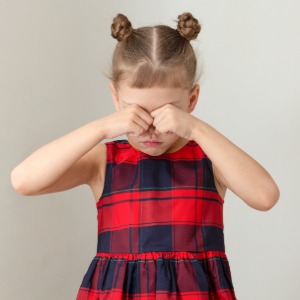
- Itching – Itching the nose, eyes, and skin is very common with allergies, but rare with a cold.
- Duration – A cold can last anywhere from one to two weeks, whereas allergies can linger for months.
- Seasonality – Allergy symptoms arise every time a child is exposed to the allergens that they’re allergic to. Outdoor allergens change with the seasons, so if you notice that your child gets sick every fall around the same time, it may be a sign that they’re reacting to a fall allergen.
- Mucus – With a cold, mucus is often colorful, indicating an infection. Clear mucus is a sign of allergies, showing that the body is reacting to an irritant.
- Fever – In very rare cases, allergies can spike a fever, but most often – it’s a sign of a cold.
Using these markers can help you determine what you’re dealing with, and how to best treat it, so your child can get back to feeling their best.
Allergy Testing
The way to definitively tell if it’s allergies or a cold is by having allergy testing completed and determining which allergens your child is allergic to.
There are two different testing methods. Skin testing is when tiny amounts of allergens are injected into the top layer of the skin, and the reactions are measured. Another option is a blood test, where a vial of blood is taken, and lab technicians review it and determine sensitivity.
Treatment
While colds tend to come and go within a week or two, allergies can linger. You can treat temporarily with antihistamines, skin creams, inhalers, and other symptom relievers, but symptoms will continue every time your child is exposed to their problem allergens.
Allergychoices recommends treating the root cause of the allergy with allergy drops. They contain tiny amounts of offending allergens, determined through testing, exam, and history. Over time, the amount is gradually increased, so the body learns to tolerate more of it. The goal is that after successful treatment, when the child is exposed, the body won’t react.
Treatment is custom to each patient, so it’s safe and effective for children as young as infants. Find a provider near you that offers testing and treatment to explore if it’s right for your child.